Landscapers Lee: Creating Outdoor Spaces That Feel Natural, Functional, and Beautiful
 When people search for Landscapers Lee, they are often looking for more than a simple lawn service. They want a team or approach that can transform an ordinary yard into an outdoor space that feels welcoming, balanced, and suited to the property itself. Good landscaping is not only about planting flowers or trimming hedges. It is about shaping the environment so that it looks refined, performs well through the seasons, and reflects the character of the home or business it surrounds.
A strong landscape can influence how a property is experienced every day. It can create privacy, improve curb appeal, organize space, and make outdoor areas easier to enjoy. In residential neighborhoods, thoughtful landscape design can turn a front yard into a memorable first impression. In commercial settings, it can communicate professionalism, care, and attention to detail. The work associated with landscapers in Lee is often centered on this broader idea: combining structure, beauty, and practicality in a way that lasts.
What makes landscaping especially valuable is that it connects the built environment with the natural one. Trees, shrubs, turf, soil, pathways, and water features all work together to define a site. A well-planned yard is not accidental. It is the result of understanding how sunlight moves across the property, how drainage behaves during heavy rain, how different plants respond to climate, and how the space will be used by the people who live or work there.
 The best landscape solutions are never one-size-fits-all. Every property has its own conditions, and every owner has different goals. Some want a low-maintenance exterior that stays neat with minimal effort. Others want lush greenery, layered planting, and elegant hardscape features that make the yard feel like an extension of the home. The value of experienced landscaping professionals in Lee lies in the ability to adapt to those different needs while keeping the overall design cohesive.
Landscaping also affects how people feel when they spend time outdoors. A well-structured garden, shaded sitting area, or cleanly edged lawn can make a space feel peaceful and intentional. Even small improvements can change the atmosphere of a property. Fresh mulch, healthy turf, and properly selected plants can shift a yard from dull to lively. With the right planning, outdoor areas become more than background scenery; they become places where people naturally want to gather, relax, or simply enjoy the view.
Another important aspect of the work done by Lee landscapers is long-term resilience. Attractive outdoor spaces are easiest to maintain when they are designed correctly from the beginning. Plants must be chosen for the site conditions, irrigation must support healthy growth, and surfaces must be built to handle use and weather. A landscape that looks impressive for only a short time is not truly successful. Lasting quality depends on a balance of design, installation, and ongoing care.
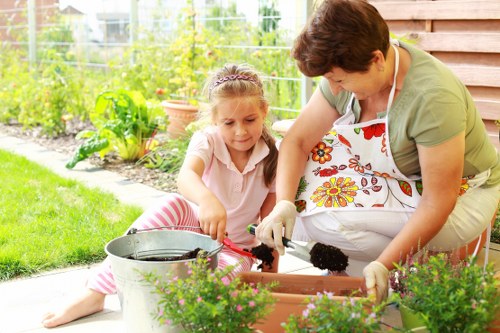 One of the most recognizable elements of professional landscaping is the front yard. Because it is visible from the street, it sets expectations for the rest of the property. A well-kept entrance, balanced planting beds, and a tidy lawn create a sense of order and pride. For homeowners, this can improve how the home is perceived by visitors and neighbors. For business owners, it can support a professional image before anyone even steps inside. Landscapers Lee often focus on this first impression because it has such a powerful effect.
Yet landscaping is not limited to appearance alone. The practical side matters just as much. Proper grading helps direct water away from structures. Strategic planting can reduce glare, soften harsh edges, and create shade. Hardscape elements such as pavers, walkways, retaining walls, and seating areas can improve movement and usability. These features bring structure to the yard, turning open space into something more functional and enjoyable. A landscape that serves real purpose has a much stronger long-term value than one that simply looks attractive for a season.
Plant selection is another area where experience makes a noticeable difference. Not every plant thrives in every location, and not every style suits every property. Some landscapes benefit from evergreens that provide year-round structure. Others rely on seasonal color for visual variety. Native and adapted plants are often especially useful because they tend to fit the environment more naturally. Skilled landscapers in Lee understand how to mix texture, height, color, and bloom time in ways that keep the property looking interesting without creating unnecessary maintenance demands.
Healthy soil is often overlooked, yet it is one of the most important foundations of any successful landscape. Turf, flowers, shrubs, and trees all depend on soil that can support root development and retain the right amount of moisture. When the soil structure is poor, even expensive plant material may struggle. That is why thoughtful landscape work often begins below the surface. Soil preparation, drainage correction, and proper planting depth can make an enormous difference in the long-term performance of a yard.
Many property owners appreciate Lee landscaping services because they can simplify what might otherwise feel overwhelming. Outdoor maintenance involves many different tasks, and each one affects the others. Mowing, pruning, fertilization, irrigation, pest control, and seasonal cleanup all play a role in the overall condition of the property. When these tasks are coordinated well, the result is a landscape that stays healthy and attractive. When they are ignored or delayed, small issues can quickly become larger and more expensive to correct.
The middle of a landscape project is often where the real transformation becomes visible. This is the stage when beds are shaped, materials are installed, and the design begins to take physical form.  It is also the stage when careful craftsmanship matters most. Straight edges, level surfaces, consistent spacing, and proper installation techniques all contribute to a polished final result. Even the best design can fall short if the details are not executed with care. That is why quality landscaping is as much about precision as it is about creativity.
Why Outdoor Design Matters for Homes and Businesses
Landscaping has practical, emotional, and financial benefits. For homeowners, a well-designed yard can make daily life more enjoyable. It can provide a place for children to play, for guests to gather, or for the family to relax outside. For commercial properties, landscaping can influence customer impressions, employee experience, and the overall sense of order around the building. In both settings, the landscape becomes part of the identity of the property.
There is also a clear connection between landscaping and property value. A well-maintained exterior often supports stronger curb appeal, which can help a property stand out in competitive markets. While landscaping is not the only factor that influences value, it is one of the first things people notice. A healthy, attractive landscape signals that the property has been cared for. That message can matter just as much as the appearance itself.
In addition, landscaping can shape how a space is used. A backyard with thoughtful seating areas and shade may encourage outdoor dining or quiet evening use. A side yard with defined pathways may become easier to navigate. A business entrance with clean borders and well-planned plantings may feel more welcoming. These outcomes are practical examples of how Landscapers Lee and similar professionals bring structure to outdoor environments.
Elements That Shape a Strong Landscape
Several key components typically come together in a well-designed outdoor space. Turf provides a soft, open base that can make a property feel fresh and inviting. Plant beds add color, texture, and visual layering. Trees bring height, shade, and maturity. Shrubs help define borders and create transitions between areas. Hardscape features such as patios, walkways, and retaining walls provide structure and usability. When these elements are balanced correctly, the yard feels complete rather than fragmented.
Lighting is another important feature, even though it is sometimes added later in the process. Outdoor lighting can highlight architecture, improve safety, and extend the use of the space into the evening. Subtle illumination around paths, planting beds, and entry points can change the way a landscape looks after sunset. It also adds dimension by drawing attention to textures and shapes that might otherwise disappear in darkness.
Irrigation plays an equally important role. Plants need water, but they need it in the right amount and at the right time. Too little water leads to stress and decline. Too much can create disease, runoff, and wasted resources. A properly designed irrigation system helps maintain consistency. It also reduces the burden of manual watering, which is especially valuable for larger properties or landscapes with diverse plant needs. Efficient water management has become an essential part of modern landscaping.
Seasonal variation gives outdoor spaces their rhythm. Spring may bring fresh growth and bright color. Summer often emphasizes dense foliage and active maintenance. Autumn adds warm tones and texture, while winter reveals structure and evergreen presence. Good landscaping anticipates these changes rather than fighting them. A property that looks interesting in every season feels more complete and thoughtfully designed. This is one of the reasons many people value skilled Lee landscapers who understand how to build landscapes with year-round appeal.
Balancing Beauty and Maintenance
One of the smartest goals in landscaping is to find the right balance between visual impact and upkeep. A highly detailed garden may be stunning, but if it requires constant attention beyond the owner’s capacity, its long-term value decreases. On the other hand, a very simple landscape may be easy to maintain but lack character. The best designs find a middle ground that suits the site and the people who use it. That balance is often what separates an average yard from a memorable one.
Maintenance-friendly design does not mean boring design. It means making choices that support the property’s reality. For example, grouping plants with similar water needs can reduce inefficiency. Using mulch can help suppress weeds and retain moisture. Choosing durable materials for pathways and borders can reduce wear over time. Even the placement of trees can matter, since the right placement can provide shade where it is useful and avoid clutter where it is not.
Attention to detail also matters in the maintenance phase. Trimmed edges, managed weeds, healthy hedges, and clean seasonal transitions all contribute to the overall impression. Small inconsistencies can make a yard feel neglected, while regular care keeps it polished. Landscaping is often judged quickly by the eye, which means visible order is extremely important. A well-kept property communicates stability and attentiveness in a way few other improvements can.
Design Choices That Make a Lasting Difference
Several design decisions have a long-lasting effect on how a property looks and functions. Scale is one of them. Plants and features should fit the size of the yard and the architecture of the building. A large tree in the wrong location can overwhelm a small front yard, while undersized plantings may disappear against a broad facade. Proportion creates harmony, and harmony makes the entire landscape feel more intentional.
Color is another powerful tool. A landscape can use flowers, foliage, hardscape materials, and even lighting to create a coordinated visual effect. Some properties benefit from restrained palettes with subtle contrast, while others can support bolder combinations. The important thing is consistency. Too many unrelated colors can make a space feel chaotic, but a thoughtful mix can bring energy and elegance at the same time.
Texture matters as well. Broad leaves, fine grasses, smooth stone, rough bark, and clipped hedges each add a different tactile quality to the scene. When textures are combined well, the yard feels richer and more dynamic. This is part of why high-quality landscaping often appears more polished than simpler efforts. The eye responds not only to color and shape but also to the interplay of surfaces.
Landscapers Lee often work with these principles to create outdoor spaces that feel layered and complete. Even a modest property can appear sophisticated when the design is carefully organized. Clean lines, purposeful planting, and well-chosen materials can elevate the space without making it feel excessive. That is one of the most appealing aspects of strong landscape work: it can improve a property in ways that are visible, useful, and enduring.
The Role of Careful Planning in Outdoor Success
Planning is the foundation of every successful landscape. Before plants are selected or materials are installed, the property must be studied. Sun exposure, drainage patterns, soil conditions, traffic flow, and visual priorities all shape the final result. Without planning, a landscape may look good in isolated sections but fail as a whole. With planning, every feature supports the others, and the yard functions as a unified environment.
Clear planning also helps reduce costly mistakes. Replacing the wrong plant, correcting drainage problems, or reworking a hardscape layout can become expensive if poor decisions are made early. By thinking through the property before work begins, landscapers in Lee can avoid many of these issues. This careful approach helps protect both the visual quality and the practical performance of the site.
Another benefit of planning is that it allows the landscape to evolve intelligently over time. Not every feature must be installed at once. Some properties are developed in phases, with core elements established first and additional enhancements added later. This flexible approach can be especially useful for larger projects or properties with changing needs. The important thing is that each phase fits the overall vision instead of feeling disconnected from it.
Landscaping is also closely tied to sustainability. Responsible plant choices, efficient water use, and proper soil care all support healthier outdoor environments. In areas where water conservation matters, thoughtful design can make a meaningful difference. Native plants, drought-tolerant selections, and efficient irrigation systems can reduce waste while still producing a beautiful landscape. Sustainability is not just a trend; it is a practical way to build landscapes that remain viable over time.
 As more property owners look for outdoor spaces that are both attractive and manageable, the value of experienced Landscapers Lee continues to stand out. Their work is not only about appearance but about helping people get more from the land around them. A successful landscape can improve daily life, strengthen property presentation, and create a stronger connection between the home or business and its surroundings.
In the end, the best landscapes are those that feel natural, purposeful, and well cared for. They do not need to be extravagant to be effective. They need to be balanced, durable, and responsive to the property they serve. Whether the goal is a welcoming front yard, a practical commercial exterior, or a private outdoor retreat, quality landscaping can make a remarkable difference. That is why the work associated with landscapers in Lee remains so important: it turns outdoor space into something useful, inviting, and lasting.


