Lawn Care in Lee: Practical Tips for a Healthy, Beautiful Yard All Year
If you want a greener, healthier yard, lawn care in Lee starts with understanding the local climate, soil, and seasonal changes that affect grass performance. Homeowners and property managers in Lee often face unique challenges such as heat, humidity, occasional drought stress, weeds, and pest pressure. The good news is that with the right approach to mowing, watering, fertilizing, and maintenance, it is possible to create a lawn that looks great and holds up well through the seasons.
Whether you are caring for a small residential yard or a larger commercial landscape, effective lawn care in Lee is not about doing everything at once. It is about doing the right things at the right time. A smart routine helps grass grow stronger roots, better color, and improved resistance to disease and insects. It also reduces wasted water, unnecessary chemical use, and costly repairs later.
In this article, we will look at proven strategies for lawn care in Lee, from soil preparation to seasonal upkeep. You will also find practical tips for mowing height, irrigation, fertilization, weed control, and more. If your goal is a thick, attractive lawn that stays healthy throughout the year, these ideas can help you build a dependable plan that works.
Understanding the Local Conditions That Affect Lawn Care in Lee

One of the most important parts of lawn care in Lee is recognizing how local weather patterns influence turf health. In warm seasons, grass may grow quickly but also lose moisture faster. During dry stretches, the lawn can turn dull, go dormant, or develop patchy areas. When temperatures rise, certain weeds and pests also become more active, making regular monitoring essential.
Soil quality also plays a major role in lawn care in Lee. Some yards have sandy soil that drains quickly, while others may have heavier soil that compacts easily. Both conditions can create problems if they are not addressed properly. Sandy soil may need more frequent watering and targeted nutrition, while compacted soil can benefit from aeration and organic matter to improve root development.
Another factor is shade versus sun exposure. Lawns in full sun often require different mowing and watering practices than shaded areas near buildings or trees. Understanding these differences allows you to tailor your lawn care in Lee to specific parts of the yard instead of using one approach everywhere.
Choosing the Right Grass Type for Lee Lawns

The foundation of successful lawn care in Lee begins with choosing grass that suits the region. Warm-season grasses often perform best in hotter climates because they are naturally adapted to heat and periods of lower rainfall. Common options may include varieties that spread well, recover quickly, and maintain color during warm weather.
When selecting turf, think about how the lawn will be used. A front yard that is mostly decorative may need different grass characteristics than a backyard used by children or pets. Durable grass types can handle foot traffic better, while fine-textured varieties may look more refined but require more attentive care. Matching grass type to usage is a smart move for long-term lawn care in Lee.
It also helps to consider maintenance level. Some grass varieties demand frequent mowing and fertilization, while others are lower maintenance. If your schedule is busy, choose a grass that supports easier lawn care in Lee without sacrificing appearance. A local turf professional or extension resource can help you compare options before planting or overseeding.
Mowing Practices That Improve Lawn Health

Mowing is one of the simplest yet most influential parts of lawn care in Lee. Cutting grass too short can stress the lawn, expose soil to heat, and encourage weeds. On the other hand, letting grass grow too tall can lead to uneven patches, clumping, and a less polished appearance. The goal is to maintain a consistent height that supports healthy growth.
Sharp mower blades matter more than many people realize. Dull blades tear grass instead of cutting it cleanly, which can leave the lawn looking frayed and vulnerable to disease. A clean cut helps your lawn recover faster after mowing. For routine lawn care in Lee, make blade sharpening part of your seasonal maintenance checklist.
It is also wise to follow the one-third rule: never remove more than one-third of the grass blade in a single mowing. This reduces shock and helps the lawn retain moisture. In addition, mowing when the grass is dry, rather than wet, improves cut quality and prevents clumps from smothering healthy turf. These simple habits make lawn care in Lee much more effective.
Watering Strategies for Stronger Roots
Watering is a major concern in lawn care in Lee because the right amount of moisture can mean the difference between a thriving yard and a stressed one. Deep, infrequent watering is usually better than frequent shallow watering because it encourages roots to grow downward. Strong roots help the lawn cope with heat and dry periods more effectively.
Timing matters when irrigating. Early morning watering is often ideal because it allows moisture to reach the roots before heat causes evaporation. Watering late in the day can leave grass wet for too long, which may increase the risk of fungal issues. For efficient lawn care in Lee, adjust watering schedules based on rainfall, soil type, and grass response rather than relying on a fixed routine all season.
Overwatering can be just as harmful as underwatering. Constantly soggy soil may promote shallow roots, weed growth, and disease problems. If you notice runoff, puddling, or sponge-like ground, it may be time to cut back. Smart lawn care in Lee means learning how much water your yard actually needs and using irrigation systems or hoses accordingly.
Signs Your Lawn Needs More or Less Water
- Grass blades fold or curl during the hottest part of the day
- Footprints remain visible after walking across the lawn
- Soil feels hard and dry beneath the surface
- Patches turn bluish-gray or lose their shine
- Water pools after irrigation or rainfall
- Moss or fungus appears in consistently wet areas
Fertilization for Healthy Growth and Color

Fertilization is a central part of lawn care in Lee because grass needs nutrients to grow thick and resilient. A balanced fertilizer program can improve color, root strength, and recovery after heat stress or heavy use. However, applying fertilizer without understanding your lawn’s needs can create problems such as excess growth, nutrient runoff, or burned turf.
Soil testing is one of the smartest first steps in lawn care in Lee. A test can reveal nutrient deficiencies and soil pH levels that affect how well grass absorbs food. Once you know what your soil needs, you can choose a fertilizer strategy that is more precise and efficient. This saves money and supports a healthier yard over time.
Timing also matters. In many warm-season lawns, feeding during active growth periods delivers the best results. Fertilizing when grass is dormant or stressed may not provide much benefit and can even cause damage. Careful planning is essential for high-quality lawn care in Lee, especially if you want steady growth instead of short-lived bursts.
Basic Fertilizer Tips
- Use a product matched to your grass type and soil test results.
- Apply evenly to avoid streaks and hot spots.
- Water lightly after application if the product requires it.
- Do not overapply in an attempt to force faster growth.
- Follow local rules for fertilizer timing and runoff prevention.
Weed Control That Supports a Cleaner Lawn
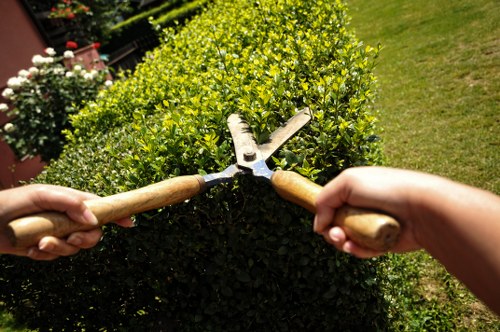
Weeds are a common headache in lawn care in Lee because warm temperatures and moisture changes can encourage fast weed growth. Once weeds take hold, they compete with turf for light, water, and nutrients. That is why prevention is often easier than correction. A dense, healthy lawn naturally blocks many weeds by leaving less room for them to grow.
Pre-emergent and post-emergent weed control each have a role in lawn care in Lee. Pre-emergent treatments are useful for stopping certain weeds before they sprout, while post-emergent applications target weeds that are already visible. Choosing the right method depends on the weed type, season, and condition of the grass. Applying the wrong product at the wrong time can waste effort and reduce results.
Manual removal can also help, especially for small infestations. Pulling weeds early prevents them from spreading seeds and becoming more difficult to manage later. For a more polished lawn care in Lee routine, combine weed control with proper mowing, watering, and fertilization so that your turf stays strong enough to resist reinvasion.
Common Weed-Prevention Habits
- Keep grass at the proper height to shade out weed seedlings
- Avoid bare spots by reseeding or patching thin areas
- Clean lawn equipment to prevent seed spread
- Do not overwater, since wet soil can encourage weed germination
- Spot-treat problem areas before they spread across the yard
Aeration, Dethatching, and Soil Improvement
Even the best lawn care in Lee can struggle if soil becomes compacted or thatch builds up too heavily. Compacted soil limits airflow, water movement, and root expansion. Aeration helps solve this by creating openings in the ground so roots can breathe and absorb nutrients more effectively. For lawns that see heavy foot traffic, aeration can make a dramatic difference.
Thatch is another issue worth watching. A thin layer of organic material can be normal, but too much can stop water and nutrients from reaching the soil. Dethatching removes excess buildup and helps the lawn absorb moisture more evenly. When paired with aeration, it can significantly improve lawn care in Lee by making the turf more efficient at using resources.
Adding organic matter or topdressing can further improve soil structure. This is especially helpful in yards with poor drainage or weak root performance. Healthy soil is the engine behind strong turf, which is why many experienced homeowners treat soil improvement as a core part of lawn care in Lee rather than an optional upgrade.
When to Consider Aeration
If your lawn feels hard underfoot, drains poorly, or struggles despite regular watering and feeding, aeration may be a good solution. It is especially useful after a period of heavy use or when the lawn has been managed for years without soil improvement.
Seasonal Lawn Care in Lee: What to Do Throughout the Year
Seasonal planning keeps lawn care in Lee organized and effective. Instead of reacting to problems only after they appear, you can anticipate the needs of your lawn based on the time of year. This approach helps reduce stress on the turf and creates better long-term results.
In warmer periods, focus on mowing, watering, weed control, and monitoring for pests or heat stress. During cooler transitions, you may need to adjust fertilization, address bare spots, or prepare for slower growth. A seasonal routine makes lawn care in Lee more manageable and helps prevent common mistakes such as overfeeding or cutting too aggressively.
When weather shifts, observe how your grass responds. Changes in color, density, and growth rate can tell you a lot about whether your lawn care in Lee plan is working. Being flexible is often better than following a rigid schedule that ignores actual lawn conditions.
Seasonal Priorities Checklist
- Spring: clean up debris, begin regular mowing, address early weeds, and check irrigation
- Summer: adjust watering, raise mowing height if needed, and watch for heat stress
- Fall: repair thin areas, aerate if needed, and prepare for cooler conditions
- Winter: reduce traffic on dormant grass and plan soil testing or equipment service
Pest and Disease Management for Better Turf
Healthy turf is less likely to suffer major damage from pests and disease, but no lawn is completely immune. In lawn care in Lee, it is important to inspect the grass regularly for unusual discoloration, thinning, chewed blades, or soft patches. Catching issues early often leads to simpler treatment and less long-term damage.
Insects such as grubs, chinch bugs, or other turf pests may feed on roots or blades, leaving the lawn weak and uneven. Disease issues can appear during periods of high humidity, poor drainage, or excessive thatch. The best lawn care in Lee strategy is prevention through proper mowing, airflow, watering, and fertilization. A stressed lawn is far more likely to attract problems.
If you suspect a pest or disease issue, identify the cause before applying treatment. Different problems require different solutions, and random spraying can create more harm than good. Monitoring, diagnosis, and targeted action are important parts of responsible lawn care in Lee.
Warning Signs to Watch For
- Sudden brown patches that spread quickly
- Grass blades with irregular chew marks
- Areas that peel back easily like loose carpet
- Gray, white, or dark fungal growth on blades
- Birds or animals digging in the lawn for larvae
Why Professional Lawn Care in Lee Can Save Time and Improve Results
Many homeowners enjoy maintaining their own yards, but professional lawn care in Lee can be a valuable option when time, equipment, or expertise is limited. A trained team can help with mowing, fertilization, weed treatment, aeration, seasonal cleanups, and long-term maintenance planning. This can produce more consistent results than an occasional do-it-yourself approach.
Professional service is especially helpful when your lawn has recurring problems such as thin grass, stubborn weeds, compacted soil, or pest issues. Instead of guessing, you get a tailored lawn care in Lee plan based on the property’s real needs. That often leads to better appearance, improved health, and fewer costly mistakes.
For busy homeowners, professional support also removes the stress of remembering timing, rates, and application methods. You can still stay involved in the overall look of your yard while letting experts handle the technical side. If you want dependable lawn care in Lee without the guesswork, this can be a practical investment.
Benefits of Hiring a Lawn Care Professional
- More consistent maintenance scheduling
- Better identification of turf problems
- Access to specialized equipment and products
- Time savings for busy households
- Improved long-term lawn health
Creating a Lawn Care Routine That Fits Your Property
The best lawn care in Lee is the one that fits your yard, your goals, and your schedule. Some properties need frequent attention, while others do well with a simpler routine. The key is consistency. A lawn that receives the right care at regular intervals is usually healthier than one that gets occasional intensive treatment.
Start with the basics: mowing at the proper height, watering deeply but not excessively, fertilizing at the right time, and keeping weeds under control. Then add soil improvement, aeration, and seasonal cleanup as needed. Over time, these practices build a stronger lawn that looks better and requires less correction. That is the long-term payoff of good lawn care in Lee.
Do not wait until problems become obvious. Healthy turf is easier to maintain than damaged turf. If you stay ahead of stress, your yard will be more attractive, more resilient, and more enjoyable year-round. Whether you manage it yourself or with help, thoughtful lawn care in Lee can make a noticeable difference in curb appeal and property value.
If you are ready to improve your yard, start with a simple plan and adjust based on what your lawn tells you. Contact us today to take the next step toward a healthier landscape, or book your service now if you want expert support for lawn care in Lee.

